Key Takeaways
- WooCommerce development enables businesses to build fully customizable ecommerce websites using WordPress.
- It offers complete ownership of your store, customer data, and website infrastructure.
- WooCommerce supports custom themes, plugins, payment gateways, and third-party integrations.
- Businesses can scale WooCommerce stores from small online shops to large ecommerce operations.
- Proper development improves performance, security, user experience, and conversions.
- WooCommerce remains one of the most popular ecommerce solutions for businesses worldwide.
WooCommerce development is the process of building, customizing, optimizing, and maintaining ecommerce websites using WooCommerce, a powerful ecommerce plugin for WordPress. It helps businesses create flexible online stores with complete control over design, functionality, customer experience, and business growth.
Launching an online store is easier today than ever before, but building a successful ecommerce business still requires the right technology and development strategy. Among the many ecommerce platforms available, WooCommerce continues to stand out as a preferred solution for businesses seeking flexibility, scalability, and full control over their online stores.
Powered by WordPress, WooCommerce allows businesses to transform a standard website into a fully functional ecommerce platform capable of selling physical products, digital downloads, subscriptions, memberships, and more.
Whether you’re a startup planning your first online store or an established brand looking for a customizable ecommerce solution, understanding WooCommerce development can help you make informed decisions that support long-term growth.
This guide explains what WooCommerce development is, how it works, its key features, benefits, and the best practices businesses should follow in 2026.
What Is WooCommerce Development?
WooCommerce development refers to the process of creating, customizing, managing, and optimizing ecommerce websites using WooCommerce and WordPress.
It involves more than simply installing a plugin. WooCommerce development includes everything required to create a professional online store, including website design, product management, payment integrations, security implementation, performance optimization, and ongoing maintenance.
Businesses use WooCommerce development to create ecommerce experiences tailored to their specific goals and customer needs.
What Does WooCommerce Development Include?
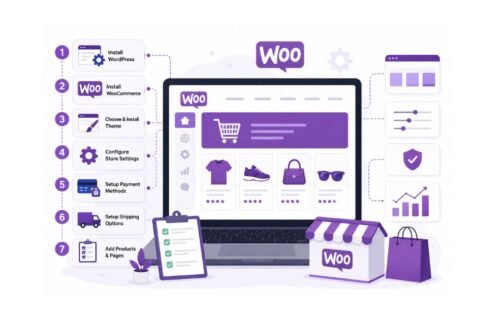
- WooCommerce installation and setup
- Theme customization
- Custom theme development
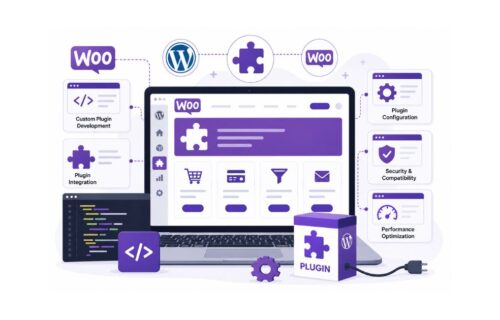
- Plugin integration
- Custom functionality development
- Payment gateway integration
- Shipping configuration
- Security enhancements
- Performance optimization
- Ongoing support and maintenance
A properly developed WooCommerce website helps businesses deliver better shopping experiences while supporting growth and scalability.
How Does WooCommerce Development Work?
WooCommerce development follows a structured process that transforms a WordPress website into a fully functional ecommerce store.
The process typically includes:
| Stage | Purpose |
| Planning | Define business goals and requirements |
| Store Setup | Install and configure WooCommerce |
| Design | Create the store’s appearance and user |
| Development | Build custom functionality and integrations |
| Testing | Identify and fix issues |
| Launch | Make the store live |
| Optimization | Improve performance and conversions |
Each stage contributes to creating a secure, user-friendly, and scalable ecommerce website.
Key Features of WooCommerce Development
WooCommerce offers a wide range of features that help businesses manage products, customers, payments, and orders efficiently.
WooCommerce Feature Overview
| Feature | Benefit |
| Product Management | Sell physical and digital products |
| Inventory Tracking | Monitor stock levels in real time |
| Payment Integrations | Accept multiple payment methods |
| Shipping Management | Configure delivery options easily |
| Customer Accounts | Improve customer experience |
| Reporting & Analytics | Track sales and performance |
| SEO Capabilities | Increase search visibility |
| Plugin Ecosystem | Extend store functionality |
These features make WooCommerce a highly adaptable ecommerce solution for businesses of all sizes.
Benefits of WooCommerce Development
WooCommerce development gives businesses the flexibility, ownership, and scalability needed to build successful online stores.
Complete Ownership
Unlike many hosted ecommerce platforms, WooCommerce gives businesses full control over:
- Website files
- Hosting
- Customer data
- Store functionality
Highly Customizable
WooCommerce allows businesses to customize virtually every aspect of their store.
This includes:
- Design
- Checkout process
- Product pages
- Customer journeys
- Backend functionality
Cost-Effective Solution
Businesses can launch WooCommerce stores without paying large monthly platform fees.
Strong SEO Capabilities
Since WooCommerce runs on WordPress, businesses can benefit from advanced content marketing and search engine optimization opportunities.
Scalability
WooCommerce can support:
- Small businesses
- Growing ecommerce brands
- Large product catalogs
- High-traffic stores
This flexibility makes it suitable for long-term growth.
Why Businesses Choose WooCommerce
Businesses choose WooCommerce because it combines ecommerce functionality with the flexibility and content management capabilities of WordPress.
Greater Flexibility
WooCommerce can be customized to support unique business requirements.
Extensive Integration Options
Businesses can connect WooCommerce with:
- CRM systems
- Marketing platforms
- Accounting software
- Shipping providers
- Payment processors
Strong Content Marketing Support
Content plays an important role in ecommerce success.
WooCommerce allows businesses to manage blogs, landing pages, and ecommerce content within a single platform.
Large Community Support
WooCommerce benefits from a large global community of developers, agencies, and ecommerce professionals.
While WooCommerce is known for its flexibility and scalability, businesses should also evaluate the WooCommerce development cost before selecting the right ecommerce platform for their long-term growth strategy.
Common WooCommerce Development Services
Businesses often work with developers to create custom WooCommerce solutions.
WooCommerce Store Setup
This service includes:
- Installation
- Initial configuration
- Product setup
- Store launch preparation
Custom Theme Development
Custom themes help businesses create unique and branded shopping experiences.
Plugin Development and Integration
Developers can:
- Create custom plugins
- Integrate third-party applications
- Expand store functionality
Payment Gateway Integration
Popular payment solutions include:
- Stripe
- PayPal
- Regional payment providers
WooCommerce Migration Services
Businesses frequently migrate from:
- Shopify
- Magento
- Custom ecommerce systems
Maintenance and Support
Ongoing maintenance helps businesses keep stores secure and optimized.
Need Expert WooCommerce Development Support?
Professional WooCommerce development helps you build a secure, scalable, and conversion-driven online store.
WooCommerce Development Best Practices
Following best practices helps businesses improve website performance, security, and customer experience.
Choose Reliable Hosting
High-quality hosting improves:
- Speed
- Security
- Uptime
Optimize for Mobile Devices
A growing percentage of ecommerce purchases occur on mobile devices.
Focus on Website Speed
Fast-loading websites often provide better user experiences and conversion rates.
Keep WooCommerce Updated
Regular updates improve:
- Security
- Compatibility
- Functionality
Use Trusted Plugins
Installing too many unnecessary plugins can affect performance and security.
Secure Customer Data
Implement:
- SSL certificates
- Strong authentication
- Secure payment processing
Security should always remain a priority.
Common Challenges in WooCommerce Development
While WooCommerce is highly flexible, businesses may encounter challenges.
Plugin Conflicts
Some plugins may create compatibility issues when used together.
Performance Bottlenecks
Large stores may require advanced optimization techniques.
Security Risks
Outdated software can increase vulnerabilities.
Maintenance Requirements
WooCommerce requires ongoing updates and monitoring.
Understanding these challenges helps businesses plan more effectively.
WooCommerce vs Other Ecommerce Platforms
Businesses often compare WooCommerce with other ecommerce solutions.
| Feature | WooCommerce | Shopify | Magento |
| Ownership | Full | Limited | Full |
| Customization | High | Medium | Very High |
| Ease of Use | Medium | High | Low |
| SEO Capabilities | Excellent | Good | Good |
| Content Marketing | Excellent | Good | Good |
| Scalability | High | High | Very High |
| Monthly Fees | Low | Higher | Variable |
The right platform depends on business goals, budget, and technical requirements.
Who Should Use WooCommerce?
WooCommerce is ideal for businesses that want flexibility, ownership, and long-term scalability.
Small Businesses
WooCommerce provides a cost-effective entry point into ecommerce.
Growing Ecommerce Brands
Businesses can scale WooCommerce as their needs evolve.
Content-Driven Websites
Companies that rely on blogging and SEO often benefit from WooCommerce’s WordPress foundation.
B2B Businesses
WooCommerce supports advanced business-to-business ecommerce functionality.
Subscription-Based Businesses
Recurring revenue models can be implemented using WooCommerce extensions.
The Future of WooCommerce Development
Ecommerce technology continues to evolve rapidly.
Artificial Intelligence
AI is helping businesses improve:
- Product recommendations
- Customer support
- Search functionality
- Personalization
Headless Commerce
Headless architectures provide greater flexibility and performance.
Automation
Businesses increasingly automate:
- Marketing campaigns
- Inventory management
- Customer communications
Enhanced Shopping Experiences
Customer expectations continue to drive innovation in ecommerce development.
WooCommerce remains well-positioned to support these emerging trends.
Professional Advice
One of the biggest misconceptions about WooCommerce is that it’s only suitable for small businesses. In reality, properly developed WooCommerce stores can support complex ecommerce operations, large product catalogs, and significant traffic volumes. The key is investing in a strong foundation that prioritizes performance, security, scalability, and user experience from the start.
People Also Ask
What is WooCommerce development?
WooCommerce development is the process of building, customizing, and maintaining ecommerce websites using WooCommerce and WordPress.
Why is WooCommerce popular?
WooCommerce is popular because it offers flexibility, ownership, scalability, and strong integration with WordPress.
Is WooCommerce good for ecommerce?
Yes. WooCommerce is widely used by businesses because of its customization capabilities and extensive plugin ecosystem.
Do I need a developer for WooCommerce?
Basic stores can be built without a developer, but professional development is often recommended for custom functionality and long-term growth.
How much does WooCommerce development cost?
Costs vary depending on design requirements, integrations, custom features, and business objectives.
Frequently Asked Questions
WooCommerce is free to install, but businesses may incur costs for hosting, premium plugins, themes, and development services.
Yes. With proper optimization, WooCommerce can support large product catalogs and significant traffic levels.
Yes. WooCommerce benefits from WordPress’s powerful SEO capabilities and content management features.
WooCommerce is used by retailers, service providers, subscription businesses, digital product sellers, and B2B organizations.
WooCommerce can be highly secure when combined with reliable hosting, regular updates, and strong security practices.
Ready to Build Your WooCommerce Store?
Create a secure, scalable, and high-performing ecommerce website with professional WooCommerce development services tailored to your business goals.